A palate expander is an orthodontic appliance placed on the roof of the mouth to gently widen the upper jaw, alleviating issues like crowding, crossbites, and other issues. In children, the upper jaw is made of two separate halves joined by the midpalatal suture. This suture does not fuse until puberty, allowing the jaw to be gently widened to correct the bite. We see palatal expansion treatment as a key foundational step for healthy jaw development. By addressing a narrow jaw early, we can often simplify or even eliminate the need for more invasive procedures, such as exposures, extractions or jaw surgery, later in life. Our doctors only recommend this essential treatment after a comprehensive evaluation, which includes advanced 3D imaging, digital scans, photos, and a thorough clinical exam.

While expansion is most common in growing children, Dr. Conn and Dr. Segal also offer advanced techniques for older teens and adults whose jaw bones are fused. Utilizing specialized procedures like MARPE (Miniscrew-Assisted Rapid Palatal Expansion) or SARPE (Surgically Assisted Rapid Palatal Expansion), many adult patients can still be candidates for expansion and bite correction, allowing them to achieve a healthier bite without the need for traditional, complex surgery.
We offer three distinct types of custom expanders to suit different needs and preferences:
Fixed Palate Expanders
A traditional fixed palate expander is a stainless steel appliance bonded to the upper molars to ensure expansion is consistent and predictable. Because it is fixed in place, it is a highly effective choice for correcting a narrow jaw without requiring patient compliance.
The Invisalign Palate Expander System
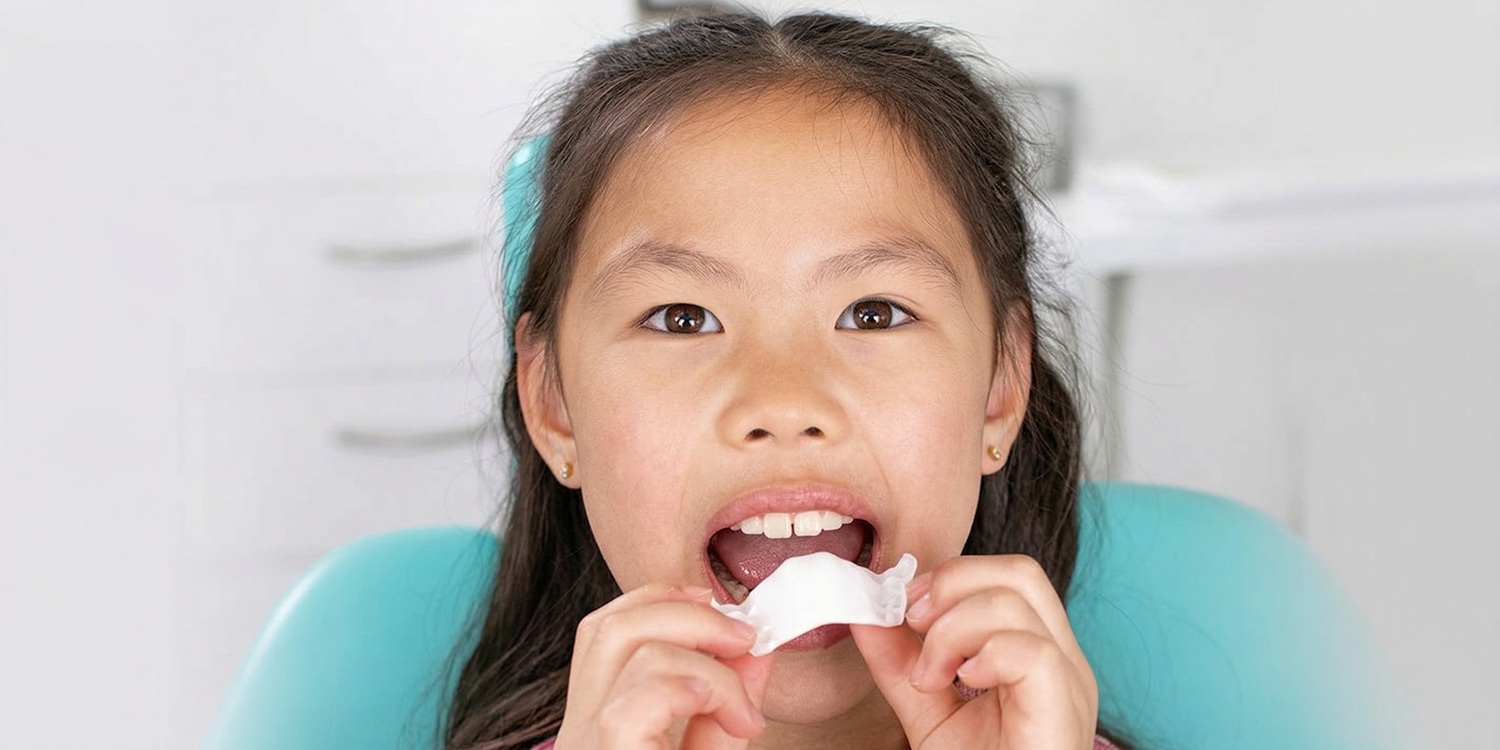
The Invisalign Palate Expander is a breakthrough for growing children. This system replaces the metal screw and key with a series of 3D-printed, custom-fitted trays that are changed nightly to gently expand the jaw. Because the trays are removable, your child can maintain excellent oral hygiene with no food restrictions.
The Schwartz Appliance
The Schwartz appliance is an acrylic, removable expander often used when gentle expansion is needed for the upper or lower arch. It utilizes a small expansion screw adjusted periodically outside of the mouth to gently broaden the arch.

The palate typically begins to fuse around age 10. Addressing a narrow upper jaw is most effective and predictable between ages 7 and 10 while the palate is most flexible.
This is the differentiator paragraph copy. This is the differentiator paragraph copy. This is the differentiator paragraph copy. This is the differentiator paragraph copy.
See real patient success stories.
A posterior crossbite occurs when the upper back teeth bite inside the lower back teeth, rather than slightly outside them. Correcting a posterior crossbite is essential to prevent uneven tooth wear and ensure healthy jaw development and function.
When the upper jaw is too narrow, a child often has to shift their lower jaw (mandible) to one side to get their teeth to meet comfortably. This is known as a functional shift. If left uncorrected, the lower jaw may grow asymmetrically. Properly expanding the upper jaw ensures the lower jaw can grow straight and centered for balanced facial development.
By widening the upper jaw, an expander can create space in severely crowded situations. This can reduce the risk of teeth becoming impacted and can sometimes eliminate the need for permanent tooth extractions in the future.
A narrow maxilla can increase nasal airway resistance by reducing the width of the nasal floor. Widening the palate increases the volume of the nasal cavity and creates more space for the tongue, which can significantly improve a child’s ability to breathe comfortably through the nose.

Your journey begins with a thorough clinical examination. Our doctors will evaluate your child’s bite, facial symmetry and growth, airway health, and teeth to determine if an expander is the appropriate choice for their development. We use digital scans and 3D imaging to get a precise look at the jaw structure and tooth eruption.
An expander is custom-made to fit your unique anatomy. Whether we are bonding a fixed appliance or delivering a removable one, the process is designed to be stress-free and efficient. During the placement visit, our team will ensure a perfect fit and provide clear instructions on how to wear, care for, and activate the expander at home.

Once the desired expansion is achieved, the active phase is complete. However, the appliance remains in place for 6 months. This holding phase is crucial because it allows new bone to form in the space created, ensuring the results are stable and long-lasting. After treatment, we provide a removable retainer to be worn at night as an extra precaution to maintain your results.

Yes! While traditional bonded expanders are highly effective, we also offer the Schwartz appliance and the Invisalign Palate Expander. These removable options provide a comfortable experience that allow for easier brushing, flossing, and eating, while still achieving skeletal expansion.
The most effective window for expansion, often part of what is called Phase I treatment, is typically between ages 7 and 10, while the jaw bones are still malleable. This is why the American Association of Orthodontists (AAO) recommends a child’s first orthodontic evaluation be no later than age 7.
No. At Bryn Mawr Orthodontics, we are very selective. We only recommend an expander when there is a clear functional, dental, or skeletal need. We provide honest, transparent advice and only recommend treatment if it is truly beneficial to the patient's long-term health.
Most patients feel a slight sense of pressure for a few seconds after a turn or when starting a new tray, but the palate expansion process is rarely described as painful. Because we are working with the natural development of a child’s jaw, the body adapts very quickly.
A gap (diastema) appearing between the two front teeth is a completely normal sign that the jaw is widening successfully. This gap is temporary; the teeth will naturally return toward their original positions during the holding (retention) phase.

.png)
.png)
.svg)
.png)
